7 Hotel Website Design Trends for 2027
As a hotel in Scotland, your website is often the first place a guest looks and the last thing they see before booking. Good hotel website design makes that visit seamless, but poor design sends people back to an online travel agency (OTA), like Booking.com, where you pay commission on the same stay.
This guide covers the web design trends 2027 is likely to bring that matter most for independent and Scottish hotels. Some are brand new, while others have been building for a while and look set to become standard in 2027, as Google, AI tools, and accessibility rules change.
Hotel website design basics: page speed is front and centre

Before we start with the design trends, it’s worth talking about page speed, which used to be a developer’s problem. Now, it sits at the heart of website design for hotels because the heaviest elements on a page are usually design choices. Hero images, video headers, and image carousels all affect how quickly a page appears.
Google measures this through Core Web Vitals, and according to Google’s web.dev guidance, a page should reach Largest Contentful Paint within 2.5 seconds. Interaction to Next Paint should be 200 milliseconds or less, and Cumulative Layout Shift should be 0.1 or less. Google assesses these figures at the 75th percentile of real visits.
In plain English, your main content should load fast, and buttons should respond quickly. And nothing should jump around as the page loads. For hotels, the usual culprits are oversized photographs and heavy sliders. To get around this, compressing images and limiting autoplay video can make a noticeable difference.
7 hotel website design trends for 2027
1. Booking made simple

Strong hotel web design keeps the booking button visible at every stage. On mobile, this usually means a sticky “Book now” bar fixed to the top or bottom of the screen. The golden rule is that guests should never have to scroll back to the header to find it.
The handover to your hotel booking engine matters just as much. Many booking engines sit on a separate domain, and a sudden change in look and feel can make guests hesitate. Matching fonts, colours, and logos across both makes the journey feel like one experience.
Clear pricing also builds trust. If you display rates on your site, they should match what guests see at checkout. Google makes a similar point in its hotel price structured data guidance, which says structured data values must match the visible information on your website.
This is extra important heading into 2027, because guests increasingly compare prices inside Google itself, through hotel price panels and now AI Mode. So, if your rate or booking journey doesn’t hold up next to an OTA’s, the OTA wins the booking.
2. Designing around AI search
AI is now part of how people plan trips. In August 2026, Google began rolling out hotel booking in AI Mode, starting in English in the United States. Travellers can search, compare and book through integrated partners, and the first partners named were large hotel chains and online travel sites.
The direction is clear, even if the rollout is still early. AI tools increasingly read hotel websites to decide what to recommend. And this changes how hospitality website design works behind the scenes. Google has said it expects to spend 2026 learning how travellers want to use agentic booking. This puts 2027 in line for wider growth, so hotels that prepare their sites now will be better placed when it arrives.
Clear headings, plain-language room descriptions and well-written FAQs make your details easier to understand. Structured data, often called hotel schema markup, adds another layer. Google’s documentation explains how schema.org Hotel and HotelRoom markup helps it validate the prices on your pages.
For independents, this is a chance to compete on clarity. A well-structured site tells guests and machines exactly what you offer, where you are, and who you suit. This means that people using AI to plan trips to Scotland are more likely to find your hotel.
3. Accessibility moves to the centre
Accessible design has become a baseline expectation. The current standard, WCAG 2.2, became a W3C Recommendation in October 2023. At Level AA, normal text needs a contrast ratio of at least 4.5:1 against its background. Large text needs at least 3:1.
Regulation is adding pressure, too. The European Accessibility Act became enforceable in June 2025, and according to Hotel Management Network, it applies to hotels selling to EU customers, including UK-based operators. As enforcement begins, accessible booking journeys are likely to become standard practice through 2027. If you’re in doubt, it’s worth checking with a legal adviser whether the Act applies to your business.
The audience is also significant since around one in five people in the UK have a disability, and many more travel with someone who does. For hotels, this includes guests looking for accessible rooms, step-free access, or quieter spaces.
Low contrast is a common accessibility problem when it comes to hotel website design. So much so that WebAIM’s annual study of a million home pages regularly finds it to be the most frequent accessibility error. Pale text over hero photos is a typical example of this on hotel sites.
Quick wins to make your site more accessible include descriptive alt text and readable font sizes. Booking forms should also work with a keyboard alone.
4. Real photography replaces stock imagery
Guests want to see the room they’ll sleep in and the view from the window. They also want a sense of the bar where they’ll spend the evening. Stock photography can’t show any of that. As a result, strong hotel website design relies on original photography and short video clips that show the property honestly.
As AI-generated images become easier to produce, guests are likely to grow more wary of pictures that look too polished. In 2027, real and recent photography of your own property looks set to become one of the clearest signs of an honest hotel.
For Scottish hotels, the setting is a huge selling point. A loch at dawn, a log fire in January, or a walking trail from the front door tells guests what kind of stay to expect. Showing every season also helps sell the quieter months.
However, it’s important not to oversell or over-edit your visual content. If a photo makes a room look larger or brighter than it is, for example, guests will notice at check-in. Honest imagery sets expectations correctly, which helps protect your reviews.
5. Room pages built around guest needs
Traditional hotel room page descriptions on a website often list categories by internal names, such as Classic, Superior, and Deluxe. Guests rarely search that way, and instead, they look for dog-friendly or family rooms. Others need an accessible room or a particular view.
Modern web design for hotels reflects that behaviour. Category pages group rooms by need, then link through to individual room pages with full details. Each room page should also cover size and bed type, as well as occupancy and facilities, in a consistent layout, so guests can compare quickly.
This structure helps search engines as well as people. Because when each page has a clear purpose, it becomes easier to rank for the searches guests make. It also stops your own pages from competing against each other, also known as cannibalisation.
This shift will matter even more in 2027. Google’s AI Mode lets travellers describe what they want in their own words, such as a dog-friendly room near a loch. Pages organised around those needs give AI tools a clear match to point guests towards.
6. Calmer, cleaner layouts
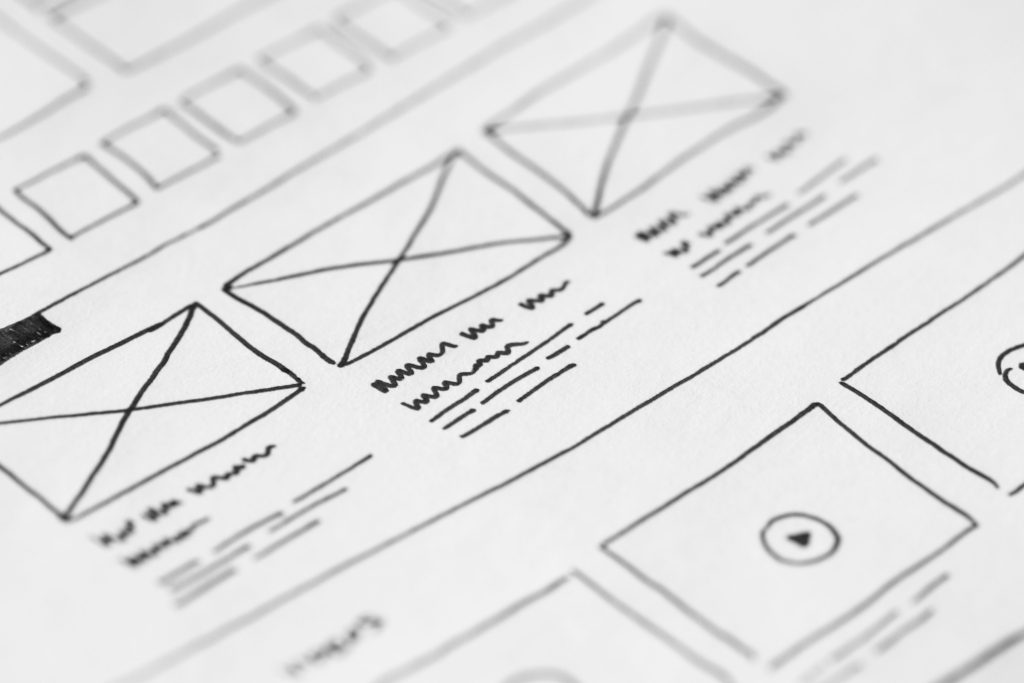
Many websites for hospitality once piled pop-ups, banners, and chat widgets onto every page. The trend now runs the other way, and clean layouts with generous spacing and fewer competing buttons help guests focus on what matters.
Google’s own guidance supports this. It warns that intrusive pop-ups can frustrate visitors and make content harder for search engines to understand, which may lead to poor search performance. Expect more hotels to swap full-screen pop-ups for small banners in 2027, as Google recommends.
And remember, clean doesn’t have to mean plain, and strong typography, a confident colour palette, and well-chosen photography can create plenty of personality. The overarching goal is to remove clutter so the property itself stands out.
Navigation deserves particular care in this department. Most guests head straight for rooms, offers, and dining, with location and booking coming close behind. Keeping those within easy reach, with everything else one level down, makes a hotel’s website much easier to use.
7. Content that changes with the seasons

Scottish hotels operate in a seasonal market, and a good site reflects that. Festive breaks, spring offers, and summer events all need space on the homepage at the right time. If updating them requires a developer, they often go stale.
For that reason, flexible content management has become a crucial aspect of hotel website design. Teams increasingly want to swap hero images, publish offers, and update FAQs themselves. A well-built content management system makes that simple without putting the design at risk.
This will become even more significant in 2027 as AI tools pull details straight from hotel websites. An expired offer or outdated opening times could be repeated to guests as fact, so keeping content current protects your reputation as well as your bookings.
Why hotel website design keeps changing
A hotel website does three jobs at once. It sells the experience, answers practical questions, and takes bookings from guests. When any one of those jobs falls short, it can have an impact on your bottom line and occupancy.
The tools guests use to find hotels are changing, too, and search results now include maps, price panels, and AI-generated answers. As a result, your site needs to work for people and for the systems that read it on their behalf. This combination shapes almost every trend we’ve touched on above.
Choosing the right hotel website design partner
Comparing hotel website design companies can be confusing because many agencies build for every sector. Specialist web design for hotels brings knowledge that general agencies may lack, such as booking engine integration and rate display. It also covers seasonality and the way guests compare properties.
When speaking to a hotel website design company, it’s worth asking a few questions. How will they handle the booking engine handover? How do they test page speed and accessibility? And can your team update content without help? Their answers will tell you a lot about how they work.
And when it comes to web design, hospitality businesses also benefit from a partner who understands marketing as a whole. A site works best when it connects with your SEO, paid search, and social media from the start.
Hotel website design with POSH
POSH has specialised in hospitality marketing since 2008, working with hotels, lodges and destinations across Scotland. Our bespoke web design and website development teams build sites around direct bookings. Speed, accessibility and search are planned in from the start.
Because we also run SEO, PPC and social media for hotels, every site fits the wider marketing picture. And if your current site feels dated or slow, contact POSH for a straightforward review of where it could work harder.
Hotel website design FAQs
Speed and simple mobile booking matter most, because they affect every visitor. A fast site with a visible booking button gives guests fewer reasons to leave. Accessibility and AI readiness are close behind, and both are growing in importance.
Google uses Core Web Vitals as part of its page experience signals. Relevant, helpful content still matters more, so a fast page won’t rank on speed alone. Even so, faster pages give guests a better experience, which supports bookings.
Start with clear page structure and plain-language descriptions of rooms, facilities and location. Add helpful FAQs that answer real guest questions. Then use structured data, such as schema.org Hotel markup, so search engines and AI tools can read your key details reliably.
There’s no fixed rule. A full hotel website redesign makes sense when your site is slow or hard to update. The same applies when it no longer reflects your brand. Smaller improvements, such as new photography or compressed images, can happen at any time.
Look for experience with hotels in particular, including booking engines and seasonal demand. Ask to see sites they’ve built and how those sites perform. A good partner will also explain how they handle speed, accessibility, and search.